The digital landscape is undergoing a profound transformation, and businesses in India must adapt their strategies to remain competitive in search engine results. Search Engine Optimization (SEO) and Search Engine Marketing (SEM) have evolved from simple keyword insertion techniques into sophisticated, data-driven disciplines that prioritize user satisfaction, content authenticity, and artificial intelligence integration. This comprehensive guide reveals the 10 essential strategies that will dominate search engine marketing in 2026, empowering your business to capture organic visibility, maximize paid advertising returns, and build sustainable online growth. Whether you’re a small business owner in Kolkata targeting local customers or a national enterprise competing for market share, these strategies provide the foundation for digital success in an increasingly competitive marketplace.
SEO and Search Engine Marketing in 2026

The intersection of SEO and Search Engine Marketing represents one of the most powerful opportunities for digital growth available to businesses today. As search engines continue to evolve their algorithms and introduce new features, marketers must understand how organic and paid search strategies complement each other to create maximum visibility and traffic. In 2025-2026, Google’s algorithm increasingly prioritizes content quality, user experience, and search intent alignment over traditional metrics, such as keyword density and exact match phrases. This shift reflects a fundamental change in how search engines evaluate websites: they now rely on sophisticated AI systems that can understand context, user behavior, and content authenticity at unprecedented levels.
For Indian businesses specifically, 2026 presents unique opportunities as digital advertising continues its explosive growth trajectory. India’s digital advertising market surged 21.1% in 2024 to reach ₹49,251 crore and is forecast to reach ₹69,856 crore by 2026, making it one of the fastest-growing digital markets globally. This expansion creates new opportunities for businesses willing to optimize their search visibility across both organic and paid channels. The integration of SEO and SEM strategies allows businesses to dominate search results across multiple touchpoints, effectively capturing customers regardless of whether they arrive through organic listings or paid advertisements
Understanding SEO and Search Engine Marketing
Definition of SEO
Search Engine Optimization (SEO) refers to the practice of optimizing your website, content, and digital presence to improve visibility in organic search engine results. Unlike paid advertising, SEO focuses on earning visibility through relevance, authority, and user satisfaction signals. The goal is to make it easier for search engines like Google to crawl, index, and understand your content, while simultaneously providing genuine value to users searching for solutions related to your business.
Modern SEO extends beyond simple on-page optimization. It encompasses technical SEO (ensuring search engines can efficiently crawl and index your site), content optimization (creating material that aligns with user intent), user experience design (building websites that satisfy visitors), and authority building (earning backlinks from authoritative sources). The scope of effective SEO in 2026 is broader than ever, requiring marketers to understand psychology, technology, user behavior analytics, and content strategy simultaneously.
Definition of SEM
Search Engine Marketing (SEM) is a digital marketing discipline encompassing all strategies and tactics designed to increase visibility and drive traffic through search engine results pages (SERPs). While some marketers use the term narrowly to refer exclusively to paid search advertising (Pay-Per-Click or PPC campaigns).
PPC Advertising involves bidding on keywords through platforms like Google Ads and Bing Ads, paying only when users click your advertisements. Paid search provides immediate visibility for targeted keywords and high-intent commercial searches, allowing businesses to appear prominently in search results regardless of organic ranking authority.
The most effective SEM strategies integrate both paid and organic channels to create comprehensive search coverage. While paid search generates immediate conversions, organic search builds lasting authority and reduces long-term customer acquisition costs. Together, they allow businesses to dominate search results—appearing in both sponsored and organic listings while denying competitors equivalent visibility.
For Indian businesses specifically, SEM in 2026 demands understanding how both channels work within Google’s increasingly AI-driven ecosystem, where machine learning optimizes paid campaigns automatically while organic rankings reflect sophisticated intent-matching algorithms that prioritize content quality and user satisfaction over simple keyword matching.
Importance of Integrating SEO and SEM
The integration of SEO and SEM represents a fundamental best practice in modern digital marketing. While SEO builds long-term organic visibility and authority, SEM, through paid advertising, provides immediate visibility for high-intent keywords and new products. Together, they create a comprehensive search marketing strategy that addresses different stages of the customer journey and maximizes traffic from search engines.
When SEO and SEM work together, they amplify your overall search presence. Paid search campaigns can validate keyword opportunities before investing in long-term content creation. Organic search results establish authority and credibility that make paid ads more effective. Social signals generated through both channels reinforce each other, creating positive feedback loops that improve rankings and conversion rates. Additionally, an integrated approach allows you to control the narrative around your brand—both paid and organic listings present your message, leaving less opportunity for competitors to occupy real estate in search results.
For businesses in India specifically, this integration becomes even more critical as competition intensifies across industries and mobile-first users demand faster, more relevant results. A business optimizing only for organic rankings risks losing immediate sales opportunities, while one relying solely on paid advertising faces unsustainable cost structures as competition increases. The optimal approach combines long-term SEO investments with strategic paid advertising campaigns.
Keyword Research Techniques for SEO

Identifying High-Value Keywords
Effective keyword research forms the foundation of both SEO and SEM success. The challenge in 2026 is not finding keywords—it’s identifying keywords that represent genuine business opportunities: those with sufficient search volume, reasonable competition, and alignment with your business objectives and user intent.
The most accurate approach to keyword research begins with Google Autocomplete, which reveals real-time keywords that actual users are searching for without the limitations or biases of keyword research tools. By typing relevant topics into Google’s search bar (preferably in incognito mode) and documenting the autocomplete suggestions, you capture authentic search behavior. This method proves particularly valuable for discovering long-tail keywords and understanding how users actually phrase their searches—information that traditional tools sometimes miss.
Once you’ve identified potential keywords through Google Autocomplete, validate them using additional research. Google Keyword Planner, which is completely free, provides search volume data and competition information, making it invaluable for validating keyword opportunities. For Indian businesses, examining local keyword variations becomes critical; a business in Chennai targeting “best salon” should also optimize for localized variations like “best salon in Chennai” or “hair salon near T Nagar.
High-value keywords share three critical characteristics: they have sufficient search volume to drive meaningful traffic, they have reasonable competition levels (particularly for new websites), and they align precisely with your business offerings and customer search intent. Rather than pursuing broad, highly competitive keywords like “digital marketing services,” new businesses often find success targeting specific variations like “affordable digital marketing services for small businesses in Kolkata” or “digital marketing for e-commerce startups”.
Tools for Keyword Analysis
The keyword research toolkit available to marketers in 2026 has become remarkably sophisticated. While expensive enterprise tools like Ahrefs and Semrush offer comprehensive capabilities, effective keyword research doesn’t require a major investment.
Ahrefs stands out for competitive keyword analysis, allowing researchers to see which keywords competitors rank for, their search volumes, and the difficulty of ranking for each term. For businesses operating in competitive markets, understanding competitor keyword strategies often reveals overlooked opportunities. Semrush similarly offers “Keyword Gap” analysis that compares your website’s keywords against competitors’, identifying quick wins where competitors rank but you don’t. KeySearch provides a more affordable alternative to expensive tools, offering keyword difficulty ratings and niche-specific insights at a fraction of enterprise tool costs.
For specific question-based content optimization, tools like AnswerThePublic and AlsoAsked extract questions people actually ask about your topic, providing inspiration for FAQ pages and content sections that align with voice search and featured snippet opportunities. These tools prove particularly valuable for creating content that directly answers user questions rather than forcing keywords unnaturally into existing content.
Free tools remain powerful: Google Search Console reveals which keywords currently drive traffic to your site and their average rankings, allowing you to identify optimization opportunities for existing traffic sources. Google Trends helps identify seasonal keyword trends, and Ubersuggest provides keyword volume and difficulty estimates at a modest cost.
On-Page SEO Elements
Meta Tag Optimization
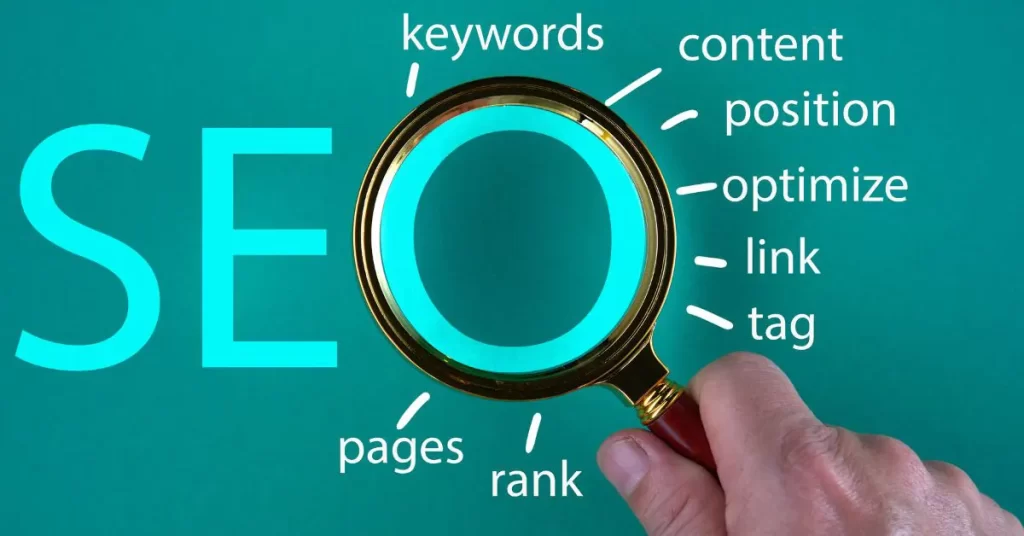
Meta tags—including title tags and meta descriptions—function as your website’s headline and preview in search results. While search engines have evolved beyond simple keyword matching, these elements remain critical ranking factors and, perhaps more importantly, directly influence click-through rates from search results.
Title tags should include your primary keyword early in the tag, ideally within the first 30 characters, and should not exceed 60 characters total. The best title tags follow this structure: [Primary Keyword] + [Secondary Keyword/Value Proposition]osition] | [Brand Name]. For example: “SEO Services in Kolkata: Expert Digital Marketing Strategy | Digipepz.” This structure places keywords prominently, includes relevant information, and ends with brand identification. Title case formatting (capitalizing the first letter of each word) improves readability in search results and has become standard best practice.
Meta descriptions require particular attention because, although they don’t directly influence rankings, they powerfully influence click-through rates. The optimal meta description length is approximately 155 characters (920 pixels), though it should prioritize conveying your page’s value proposition rather than hitting a precise character count. Effective meta descriptions include your primary keyword naturally, communicate clear value to the searcher, and include a subtle call-to-action or benefit statement. A meta description for a SEO services page might read: “Professional SEO services for Indian businesses. Boost your Google rankings, increase organic traffic, and generate qualified leads with proven strategies. Get a free SEO audit today.
Beyond title and meta description tags, modern on-page SEO emphasizes structured data markup using schema.org standards, which helps search engines understand your content type, legitimizes your content for featured snippets, and can make your results more visually prominent with rich snippets like star ratings or pricing information. For local businesses, implementing local business schema markup becomes particularly important for appearing in Google Maps results and local pack features.
Content Relevance and Quality
The most significant shift in SEO between 2024 and 2026 centers on content quality prioritization. Google’s 2025 algorithm analysis reveals that consistent publication of satisfying content now represents 23% of the algorithm, the single highest-weighted factor, while keyword optimization and other technical factors have diminished in importance. This shift reflects Google’s transition from keyword-based matching to intent-based understanding through AI systems like RankBrain and BERT.
Content quality in 2026 means creating material that comprehensively addresses user intent better than existing search results. For informational queries (user seeking knowledge), this means creating authoritative guides, case studies, and expert perspectives. For commercial queries (user considering a purchase), this means detailed product comparisons, specifications, and customer testimonials. For transactional queries (user ready to purchase), this means clear calls-to-action, easy navigation to purchase pages, and confidence-building elements like security badges.
Satisfying content typically features original insights, up-to-date information, expert perspective, and genuine value to readers rather than keyword optimization. Google actively rewards websites that publish content consistently—research suggests that content published at least twice per week ranks better than sporadic publishing. This frequency signals to Google’s algorithm that your site actively serves user needs rather than publishing static content once and abandoning it.
For Indian businesses creating content around SEO and digital marketing services, this principle demands moving beyond generic guide regurgitation. Instead of writing “10 Tips for SEO Success” (which thousands of websites have written), create targeted content like “SEO Strategy for E-commerce Businesses in India: How to Rank in Competitive Markets” or “Local SEO for Home Services Companies in Delhi: Complete Implementation Guide.” This specificity, combined with actionable advice, competitive analysis references, and original data or case studies, creates genuinely satisfying content that outperforms generic alternatives.
Mobile SEO Strategies
Mobile optimization has transitioned from “nice to have” to absolutely essential. Google exclusively crawls and ranks websites based on their mobile versions, not desktop versions. This mobile-first indexing approach means your mobile experience determines your search rankings, regardless of desktop performance. Specifically, mobile optimization demands attention across four areas: responsive design, loading speed, content parity, and user experience elements.
A responsive website automatically adjusts its layout, typography, and navigation based on the user’s device type and screen size. Rather than maintaining separate mobile and desktop versions, modern websites employ CSS media queries and flexible layouts that serve optimal experiences across all devices. Testing your website on various devices—smartphones, tablets, various screen orientations—reveals responsive design issues before search engines encounter them.
Page loading speed proves critical for mobile rankings; even a 1-3 second delay in load time can increase bounce rates by 32%, while every additional second of delay can reduce conversion rates by 20%. Mobile users particularly value fast experiences due to potentially unstable network connections. Optimization strategies include image compression without quality loss, minifying CSS and JavaScript code, deferring non-critical JavaScript loading, and prioritizing above-the-fold content loading before background elements.
Mobile content must exactly match desktop content—titles, descriptions, structured data, internal linking, and heading structure should be identical across versions. This content parity requirement means you cannot hide important information on mobile versions or serve different content based on device type (unless specific instances genuinely require different content for user benefit).
Core mobile user experience elements include touch targets of at least 44×44 pixels (preventing accidental clicks), vertical orientation optimization (94% of users browse vertically), and placement of critical elements within thumb reach on phones. Additionally, voice search optimization becomes particularly important for mobile SEO, as voice queries originating from smartphones represent an ever-growing search category, particularly in India, where voice search adoption has accelerated rapidly among regional language users.
Off-Page SEO Techniques
Backlink Building Strategies
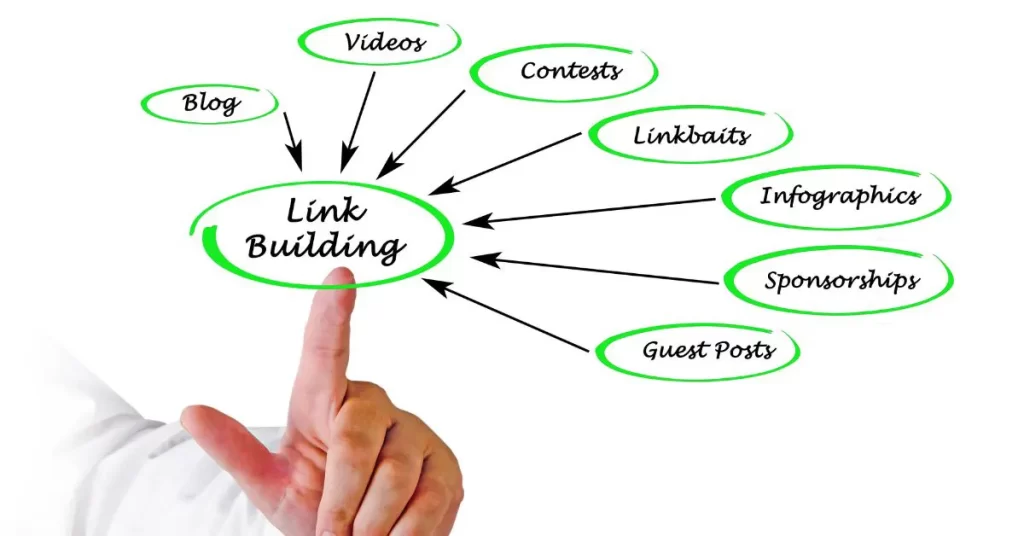
Backlinks—links from other websites pointing to your site—remain among the most important ranking factors in Google’s algorithm, accounting for approximately 13% of ranking importance in 2025. While the weight of backlinks has declined from historical dominance (when backlinks once represented 50% of the algorithm), they remain far more important than most other factors. The fundamental principle behind backlink value is simple: a link from another website functions as a vote of confidence, suggesting that your content merits recommendation to a third party.
High-quality backlink building begins with creating genuinely valuable, remarkable content that other websites want to link to naturally. Rather than pursuing backlinks through manipulation or spam tactics, effective modern backlink strategies focus on creating link-worthy content: comprehensive guides, original research, interactive tools, case studies, or content that synthesizes difficult topics into clear, actionable format.
Guest posting on authoritative websites within your niche provides a direct backlink-building mechanism. The strategy involves identifying relevant websites that accept guest contributions, creating high-quality content aligned with their editorial standards and audience interests, and including strategic backlinks to relevant pages on your site—typically within an author bio or contextually within content. This approach provides dual benefits: a backlink from an authoritative source and exposure to that website’s audience.
Broken link building represents an underutilized but highly effective strategy: identifying broken links on websites within your niche, creating replacement content, and contacting site owners to suggest your content as a fix. Since fixing broken links improves user experience and site health, many site owners welcome these suggestions. This strategy positions you as helpful rather than self-interested, increasing acceptance rates.
Building relationships with industry influencers and bloggers creates opportunities for natural backlink acquisition through collaborations, interviews, co-authored content, and mutual promotion. Rather than generic outreach requesting links, effective relationship-based link building involves genuine engagement: commenting thoughtfully on their content, sharing their work, and finding authentic collaboration opportunities. These relationships generate more sustainable backlinks than transactional approaches.
Social Media Influence
While social media signals—likes, shares, comments—are not direct ranking factors, they influence SEO indirectly through multiple channels. Understanding this relationship helps marketers optimize their social media strategies for SEO benefit rather than treating social media as separate from search strategy.
Shared content that generates engagement signals demonstrates value to search engines through increased traffic and brand mentions. When content shared on social media drives people to click through to your website, this traffic generates positive user engagement signals. Additionally, social media shares often result in content being republished or referenced on other websites, which can generate backlinks and further increase visibility.
Social media content also drives brand awareness and branded search volume growth. The more people are aware of your brand, the higher the volume of branded searches (searches including your company name), which Google’s algorithm increasingly recognizes as quality signals. High branded search volume signals that your brand is established, trusted, and actively discussed. Additionally, social media provides a channel for promoting new content to accelerated discovery by both human audiences and search engines.
For businesses in India, social media’s role in local SEO deserves particular emphasis. Leveraging social media for local engagement—sharing location-based content, participating in local community groups, and encouraging user-generated content—strengthens local search visibility while building community relationships. A service-based business operating in multiple Indian cities might use social media to highlight local customer successes, share local event coverage, and create location-specific content variations, all of which strengthen local SEO performance.
Pay-Per-Click Advertising
Benefits of PPC in SEM
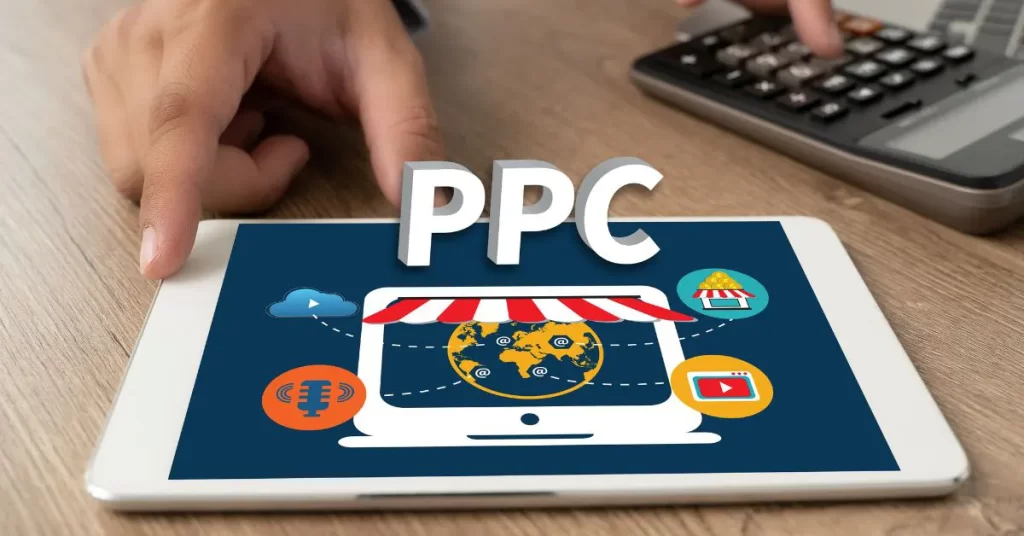
Pay-Per-Click advertising through Google Ads, Bing Ads, or other search platforms provides immediate visibility for keywords that might take months or years to rank for organically. For new websites or competitive industries where organic ranking requires extended timelines, PPC provides the bridge between launch and organic traction. PPC campaigns allow businesses to test keyword hypotheses, validate market demand, and generate conversions while SEO efforts mature.
Modern PPC strategy in 2026 must account for significant shifts in the search landscape. Zero-click searches—where users receive answers directly in Google search results without clicking through to websites—now represent more than 40% of searches, directly impacting click volume available to paid and organic results. This reality demands that PPC campaigns target high-intent, commercial queries where users genuinely intend to click and convert, rather than broad informational keywords where zero-click answers already satisfy user intent.
AI now powers much of PPC campaign optimization. Google’s Smart Bidding adjusts bids in real-time based on complex intent signals, while Performance Max campaigns represent Google’s recommended approach, allowing AI to optimize placements across all Google properties. For advertisers, this means moving away from granular manual optimization toward setting clear conversion goals and allowing AI to find the most efficient paths to achieving those goals.
PPC also provides valuable data for SEO strategy refinement. Keywords generating strong PPC conversion performance represent high-intent, valuable terms that warrant organic optimization investment. Conversely, keywords performing poorly in PPC often indicate poor commercial intent or search intent mismatch, suggesting they may not be ideal SEO targets.
Campaign Structure and Budgeting
Effective PPC campaign structure in 2026 emphasizes simplicity over complexity, recognizing that Google’s AI performs better with less granular manual optimization. Rather than creating dozens of tightly themed ad groups, modern best practice often suggests broader campaign structures that let Google’s algorithms find optimal targeting combinations.
Smart Bidding strategies should be tested and regularly evaluated against business objectives; many campaigns benefit from testing Target CPA (Cost Per Acquisition) versus Max Conversions bidding strategies to identify which approach best aligns with business goals. Setting realistic performance thresholds and monitoring actual outcomes prevents AI optimization from pursuing technically efficient metrics that don’t generate business value.
Budget allocation requires strategic thinking. Rather than evenly distributing budgets, allocate more budget to campaigns and keywords generating the strongest return on ad spend (ROAS) or the lowest cost per acquisition (CPA). Additionally, implement budget pacing tools to prevent rapid budget depletion early in the campaign month, which can result in suboptimal spending patterns where algorithms haven’t yet learned optimal targeting.
For Indian businesses specifically, Smart Bidding in Google Ads now factors in local preferences, device types, time of day, and contextual factors specific to Indian market behavior. This localization means bids automatically adjust higher during peak shopping hours in specific regions, account for device-type performance variations (smartphones dominating in India), and optimize for India-specific conversion patterns.
Local Search Marketing

Importance for Businesses
Local search has become increasingly critical as mobile search dominance continues. 88% of people who search for local businesses on their phones either visit or call within 24 hours, making local search an immediate revenue driver rather than just a brand awareness channel. This immediacy means local search optimization directly impacts bottom-line business metrics for service-based businesses, retailers, and location-dependent companies.
For Indian businesses specifically, local SEO drives disproportionate value. 46% of Google searches have local intent, with 57.3% of all web traffic originating from mobile devices, making mobile-based local search the primary way many Indian consumers discover nearby businesses. A plumber, salon owner, restaurant, or home service provider in India generates the majority of their business from local search, making local SEO expertise essential for survival.
Google My Business (GMB) optimization provides the foundation for local search visibility. Claiming and verifying your GMB listing, maintaining accurate name-address-phone (NAP) information across all platforms, and regularly posting updates and photos directly influence local search rankings and the local pack (three-result features appearing above traditional organic listings). Ensuring absolute consistency of business information across GMB, your website, and business directories like Justdial, IndiaMART, and Sulekha prevents Google’s algorithms from becoming confused about your actual business details.
Tips for Effective Local SEO
Successful local SEO implementation requires attention to multiple elements working in concert. City-based keyword targeting in title tags, meta descriptions, and headings ensures search engines understand your geographic service area; rather than targeting “best salon,” optimize for “best salon in Chennai” or “hair salon near T Nagar”. This geographic specificity aligns with how local search engines interpret user intent and improves visibility in location-specific searches.
Creating dedicated landing pages for individual service areas strengthens local relevance; a business serving multiple Indian cities should create unique content for each major city rather than generic pages. These landing pages should include local keywords, reference local landmarks and area-specific challenges, showcase customer testimonials from that specific area, and address area-specific variants of your core service.
Local citation building—getting your business listed on relevant local business directories—provides both backlink authority and confirmation of your business’s legitimacy. Beyond major directories, identify local media publications, industry associations, and community organizations where business listings provide value. Each citation signals to search engines that your business is established and serves the local community.
Voice search optimization becomes particularly important for local queries; 76% of smart speaker users search for local businesses weekly, and voice searches often employ natural, conversational phrasing like “Where’s the closest dental clinic near me?” rather than typed keyword phrases. Optimizing for conversational long-tail keywords and creating FAQ pages that directly answer questions users ask verbally improves visibility for voice-based local searches.
Conversion Rate Optimization
User Experience Design
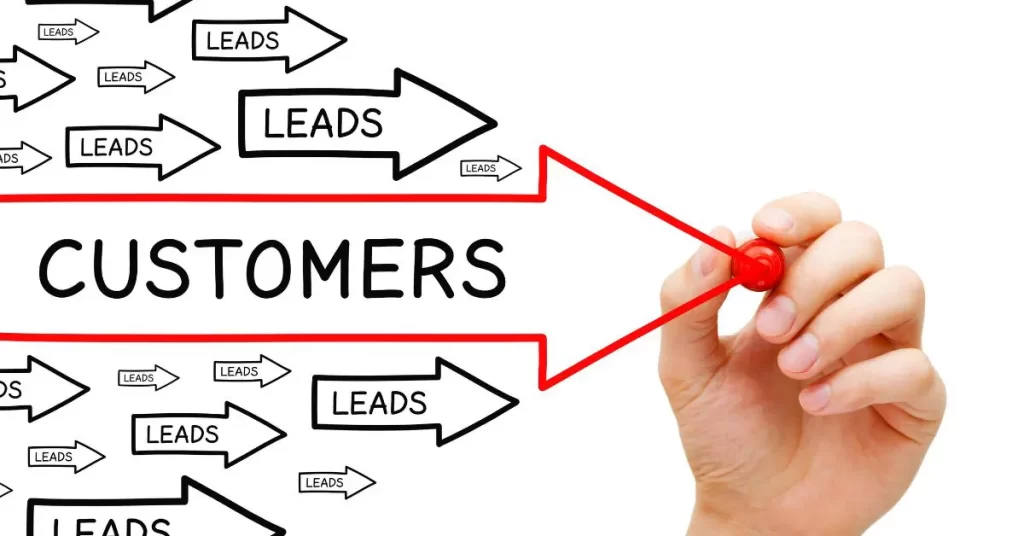
While SEO focuses on visibility and SEM focuses on traffic generation, conversion rate optimization (CRO) ensures that traffic actually generates business value. CRO and user experience (UX) design work together: UX creates the usable, enjoyable experience that guides visitors toward conversion actions, while CRO tests and optimizes specific elements to improve measurable conversion metrics
Simplifying navigation represents one of the highest-impact UX improvements available. Research indicates that 61.5% of website visitors leave due to poor navigation, making navigation quality a critical conversion factor. Effective navigation allows visitors to understand your website structure intuitively, find relevant information quickly, and move frictionlessly toward conversion actions. Mobile navigation deserves particular attention as reduced screen real estate can make poor navigation especially problematic on phones.
Reducing friction in user journeys directly impacts conversions. Each unnecessary step between the landing page and the conversion action increases abandonment probability. Airbnb’s CRO and UX teams reduced their booking process steps while simultaneously improving visual clarity and call-to-action prominence, resulting in significantly improved conversion rates. Mapping your conversion funnel and identifying abandonment points reveals where simplification provides the highest impact.
Personalization—tailoring experiences to individual user preferences, behavior, and history—has proven increasingly effective for conversion rate improvement. Netflix demonstrates this principle through personalized homepage recommendations based on viewing history, location, and genre preferences. For marketing websites, personalization might include showing different content variants based on traffic source, device type, or previous page visited. E-commerce sites might highlight products based on browsing history or show region-specific offers.
Analytics and Reporting for CRO
Effective CRO requires moving beyond vanity metrics (total traffic, page views) toward metrics indicating actual business impact: conversion rate, cost per conversion, revenue per visitor, and customer lifetime value.
Google Analytics 4 (GA4) has shifted focus from pageviews and sessions toward user journeys and conversion events. Setting up GA4 correctly involves defining conversion events that represent genuine business value (form submissions, product purchases, phone calls, demo requests) and tracking these conversions accurately. Beyond conversion tracking, GA4 allows analysis of user flows, revealing where visitors drop off between pages or in funnel sequences.
A/B testing provides the mechanism for CRO improvement. Systematic testing of website elements—call-to-action button colors, page layouts, headline variations, form field quantities—reveals data-driven improvements over assumption-based changes. Effective A/B testing requires running tests long enough to gather statistical significance (typically a minimum of 100-200 conversions per variation), isolating single variables to understand cause-and-effect relationships, and maintaining a culture of continuous improvement based on test learnings.
Core Web Vitals—Google’s user experience metrics including loading speed, interactivity, and visual stability—directly influence both rankings and conversion rates. A page that loads in 1 second converts significantly better than an identical page loading in 5 seconds. Monitoring Core Web Vitals through PageSpeed Insights and Search Console reveals performance issues affecting both SEO and conversions.
Traffic Generation Strategies
Combining SEO and SEM for Maximum Reach
The integration of SEO and SEM creates what’s often called “blended search strategy”—using both organic and paid channels to maximize search visibility and traffic. From a user perspective, seeing your business appear in both paid and organic search results (often called “owning the page”) builds credibility while capturing users regardless of which type of result attracts their attention.
Keyword research insights flow between channels: PPC data identifies high-intent, high-converting keywords that justify organic optimization investment. Organic rankings for branded keywords provide a foundation that makes paid branded keyword campaigns more efficient (users searching your brand name are more likely to click paid ads when both paid and organic options appear). Together, they provide coverage of search results that competitors cannot match if they focus on only one channel.
Geographic targeting provides another integration point. In India, where regional language users and tier-2/tier-3 city populations represent a significant market opportunity, combining SEO and SEM allows businesses to optimize both channels for hyper-local, language-specific campaigns. A business targeting Kolkata users can optimize organic content for the Bengali language and Kolkata-specific keywords while simultaneously running SEM campaigns with geographic targeting and regional language ad copy.
Campaign timing creates additional integration opportunities. New products or services might launch with SEM to generate immediate visibility while organic content builds. Seasonal opportunities might receive SEM emphasis during peak periods, while year-round opportunities rely more heavily on organic rankings. Product categories with strong organic potential might receive organic focus, while competitive, high-intent categories receive SEM emphasis.
Using Competitive Analysis Tools
Understanding competitor strategies provides insights that improve your own performance. Competitive analysis tools reveal which keywords competitors rank for organically, their estimated search traffic, and their PPC advertising targets. This intelligence allows you to identify market gaps (keywords you’re not optimizing for but competitors aren’t either), quick wins (keywords competitors rank for where you have opportunity), and threat areas requiring defensive attention.
Ahrefs competitor analysis reveals competitors’ top-ranking pages, their backlink sources, and their keyword strategies, providing a roadmap for outperforming their content. If a competitor ranks well for “SEO guide for beginners,” but their guide is outdated or incomplete, creating a more comprehensive, regularly updated version increases your ranking probability.
Tracking competitor PPC spending patterns reveals seasonal opportunities and budget allocation strategies. Tools analyzing competitor advertising spend trends show when competitors increase investment (indicating high-intent periods) and when they reduce spending. These patterns often correlate with customer purchase cycles or seasonal demand changes.
Monitoring competitor backlink acquisition identifies link sources available to you. If a competitor earned backlinks from industry publications, association directories, or relevant blogs, those same sources represent potential link opportunities. Many businesses overlook opportunities available to their competitors simply due to a lack of visibility into competitor tactics.
SEO Best Practices for 2026

Staying Updated with Ranking Algorithms
Search engine algorithms change constantly, with Google implementing hundreds of algorithm updates annually. Staying informed about these changes prevents your SEO strategy from becoming outdated or, worse, violating updated guidelines.
In 2026, EEAT (Experience, Expertise, Authoritativeness, Trustworthiness) has emerged as an increasingly important ranking factor, particularly for YMYL (Your Money Your Life) queries affecting user health or finances. Content demonstrating genuine expertise, authored by credentialed experts, from authoritative sources, built on trustworthy information architecture, ranks better than generic content, regardless of keyword optimization. This trend favors established businesses, credentialed professionals, and publications with demonstrated authority over fly-by-night content farms.
Content authenticity increasingly distinguishes high-ranking sites from lower performers; human-authored content outranks purely AI-generated content without human guidance and fact-checking. While AI tools assist content creation, fully automating content production without human review, fact-checking, and original insight application creates content that fails to meet contemporary quality standards. The future of SEO belongs to businesses using AI to enhance human creativity, not replace it.
Voice search and featured snippet optimization have transitioned from emerging trends to essential practices. Voice searches employ conversational, long-tail keywords and often seek quick answers; optimizing FAQ pages, creating featured snippet-worthy content formatted with bullet points or tables, and using structured data markup addresses voice search optimization. The proliferation of smart speakers and voice assistants means voice search volume will continue increasing, making these optimizations essential for long-term relevance.
Future Trends in Digital Marketing Strategies
Artificial intelligence will continue reshaping SEO; AI-driven content optimization tools now provide recommendations for headline variants, topic coverage improvements, keyword optimization, and internal linking strategies that accelerate content effectiveness. Rather than SEO professionals spending days on manual analysis, AI tools handle data processing while professionals focus on strategy, creativity, and business judgment.
Mobile-first continues intensifying as mobile traffic approaches 70% of total web traffic in India. Video optimization has become essential as online video consumption grows; optimizing video titles, descriptions, captions, and tags ensures discoverability in video search results. Businesses not incorporating video content into their digital strategies leave substantial traffic opportunities unexploited.
Personalization will intensify as AI enables scalable customization. Search results increasingly reflect user history, location, device type, and preferences, making generic content less effective; successful 2026 strategies create content that addresses specific user segments and employs dynamic content optimization to personalize experiences at scale. A user searching “best laptop for programming” receives different results than a user searching “best laptop for gaming”—each reflecting different expertise levels, use cases, and preferences.
Conclusion
The convergence of SEO and Search Engine Marketing in 2026 represents both challenge and opportunity for Indian businesses. The challenge lies in mastering increasingly complex, AI-driven systems while maintaining authentic, human-centered content that genuinely serves user needs. The opportunity emerges for businesses willing to invest in understanding search user behavior, staying current with algorithm evolution, and integrating organic and paid channels strategically.
The 10 essential strategies outlined throughout this guide—from fundamental keyword research and content optimization to advanced personalization and AI integration—provide the roadmap for achieving sustainable search visibility and traffic growth. Successful implementation requires moving beyond outdated tactics (keyword stuffing, manipulative link building, exact-match targeting) toward sophisticated approaches emphasizing user satisfaction, content authenticity, and strategic integration of channels.
For Indian businesses specifically, 2026 presents unprecedented opportunities. The digital advertising market’s explosive growth means rising competition, but also expanding customer bases actively seeking solutions online. Businesses that embrace hyper-local optimization, regional language strategies, mobile-first design, and authentic content marketing will capture disproportionate market share from competitors still operating with outdated playbooks.
Begin implementing these strategies immediately, focusing first on understanding your target audience’s search behavior and the intent behind their queries. Create genuinely valuable content addressing their needs better than existing alternatives. Optimize technically so search engines can easily crawl, index, and rank your content. Build authority through strategic backlink acquisition and brand building. Test and iterate continuously, letting data guide optimization decisions rather than assumptions. Success in search engine marketing ultimately depends not on mastering the latest tactic, but on consistently delivering exceptional value to the people searching for solutions your business provides.